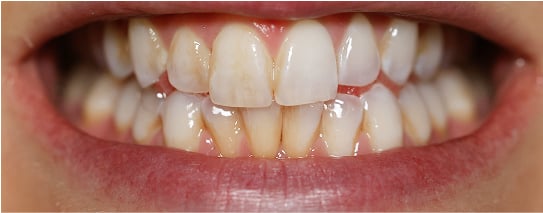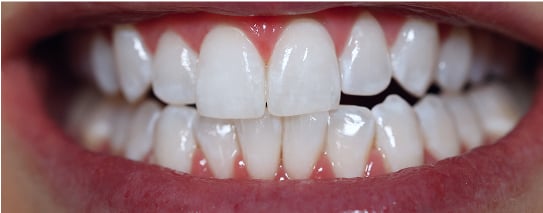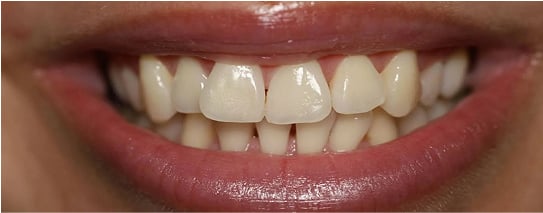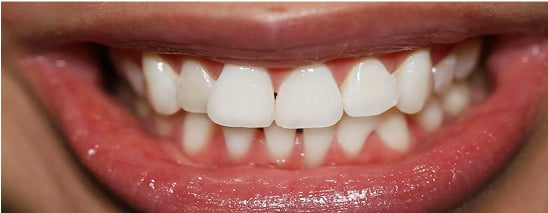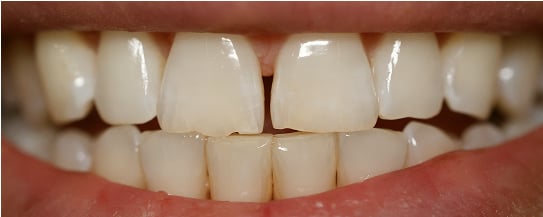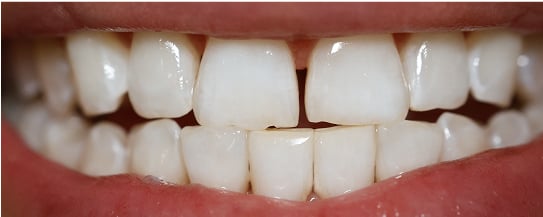




When you think about health, your mind might jump to diet, exercise, or mental well-being. But oral health, and gum health in particular, are vital parts of overall wellness. Gum disease is the leading cause of tooth loss and is linked to serious health issues like heart disease, diabetes, and respiratory problems. It often begins subtly as gingivitis (red, swollen gums that may bleed easily) and can progress to periodontitis, which damages the bone supporting your teeth.
The good news is that gum disease is almost entirely preventable. The journey to a healthier smile is paved with simple, consistent daily habits and professional support. Here are seven tips to help you prevent gum disease and keep your smile radiant for years to come.
1. Brush Twice a Day
Brushing is the first line of defense against the sticky, colorless film of bacteria called plaque. Plaque constantly forms on your teeth, and if not removed, it hardens into tartar, which can only be removed by a dental professional.
- Technique Matters: Use a soft-bristled brush and a fluoride toothpaste. Place your brush at a 45-degree angle to your gums and use gentle, short, circular strokes. Do not scrub hard, as this can damage your gums and tooth enamel.
- Two Minutes, Two Times: Brush for a full two minutes, ensuring you cover all tooth surfaces. Make this a habit in the morning and at night.
- Replace Your Brush: Change your toothbrush or brush head every three to four months, or sooner if the bristles are frayed. A worn brush cannot clean effectively.
2. Floss Daily
Brushing alone only cleans about two-thirds of your tooth surfaces. The tight spaces between your teeth and just below the gum line is where plaque and food particles love to hide, making flossing essential for preventing gingivitis.
- The Power of Consistency: Make flossing a daily ritual, regardless of the time of day. Consistency is far more important than intensity.
- Proper Motion: Use about 18 inches of floss, winding most of it around one middle finger and a small amount onto the other. Gently slide the floss between your teeth, curving it into a "C" shape against one tooth and sliding it into the space between the gum and the tooth. Use fresh sections of floss for each tooth.
3. Watch What You Eat
Your diet directly impacts your oral microbiome. Sugary and starchy foods are a feast for the bacteria in your mouth, which produce acids that erode tooth enamel and irritate gums.
- Limit Sugars and Starches: Reduce consumption of sodas, candies, and highly processed carbohydrates. If you do indulge, do so during a meal rather than snacking throughout the day, as your mouth produces more saliva during meals to help neutralize acid.
- Choose Gum-Friendly Foods: Focus on a diet rich in fresh fruits, vegetables, lean proteins, and whole grains. Foods high in Vitamin C (like citrus and peppers) and Calcium (like dairy and leafy greens) are particularly beneficial for strengthening gum tissue and jawbone health.
4. Stay Hydrated
Water is not just vital for your body; it’s a silent hero for your gums. Drinking water, especially after meals, helps wash away food particles and weak acids. More importantly, it stimulates saliva production.
- The Role of Saliva: Saliva is your mouth’s natural defense mechanism. It contains minerals that remineralize tooth enamel and enzymes that neutralize harmful acids and bacteria. Dry mouth, which can be caused by dehydration, certain medications, or medical conditions, significantly increases your risk of gum disease.
- Water Over Sugary Drinks: Keep a water bottle handy and make it your primary beverage throughout the day to continuously rinse your mouth and maintain optimal hydration.
5. Manage Stress
Stress is a systemic issue, and its effects can manifest directly in your mouth. High stress levels can compromise your immune system, reducing your body's ability to fight off the bacteria that cause gum disease.
- Immunity and Inflammation: When you are under chronic stress, the body releases cortisol, a hormone that increases inflammation throughout the body, including the gums.
- Stress-Related Habits: Stress can also lead to unconscious habits like teeth grinding (bruxism), which puts immense pressure on your teeth and supporting gum structures, or neglecting your daily oral hygiene routine. Incorporate stress-management techniques like exercise, meditation, or taking time for a hobby into your daily routine.
6. Don’t Use Tobacco Products
Using tobacco in any form—cigarettes, cigars, or smokeless tobacco—is one of the most significant risk factors for developing gum disease. It is also the most common cause of non-responsive gum disease treatments.
- Impaired Healing: Tobacco constricts blood vessels in the gums, reducing nutrient and oxygen flow. This masks the early warning signs of gum disease and severely limits your gums’ ability to heal.
- Increased Plaque: Smokers tend to accumulate more plaque and tartar on their teeth, and the disease often progresses faster and is more severe than in non-smokers. Quitting tobacco is perhaps the single most impactful choice you can make for your gum health.
7. See Your Dentist Regularly
Even with a perfect home routine, professional cleanings and examinations are indispensable. Your dental team can spot early signs of gum problems before you even notice them and remove tartar that you cannot remove at home.
- Routine Check-ups: We generally recommend professional cleanings and check-ups every six months. Your Gleamery hygienist will meticulously remove any hardened plaque (tartar) and polish your teeth.
- Early Detection: During the exam, your dentist will look for early signs of gingivitis and periodontitis, assess pocket depths around your teeth, and review X-rays for bone loss. Catching these issues early is key to successful treatment.
Bonus Tip: Straighten Safely With Aligners
Clear aligners are a popular alternative to braces, but ill-fitting or badly made aligners can damage your gums. Instead of risking your gum health with mail-order aligners or options without dental oversight, choose GleamFit for a comfortable and seamless experience.
If nighttime-only treatment fits your lifestyle, there is an FDA-cleared option designed for that, and you can get it right here at The Gleamery. Our GleamFit Overnight Aligners are designed for people who want straighter teeth without the hassle of daytime wear.
The magic behind GleamFit Overnight is HyperElastic™ material, engineered to deliver sustained force throughout the night, without the stiffness or soreness that typically comes with aggressive short-wear aligners.
Healthy Gums for a Healthy Life
Gum health is an investment in your overall health and confidence. By integrating these seven tips into your daily routine, you are taking powerful, proactive steps to ensure your smile stays vibrant for years to come.
If you are unsure about your gum health, if your gums bleed when you brush, or if you haven't had a check-up in a while, it's time to act. Book your professional cleaning or check-up with The Gleamery today.
2. Gum Health is Whole-Body Health: Your diet, hydration, and stress levels directly impact your oral health. Limit sugary/starchy foods, drink water to stimulate protective saliva, and manage stress to boost your immune response against gum bacteria.
3. Professional Check-ups are Essential: Even with a perfect home routine, professional cleanings and examinations every six months are indispensable for removing hardened tartar and allowing your dental team to detect and treat early signs of gingivitis before it progresses to periodontitis.