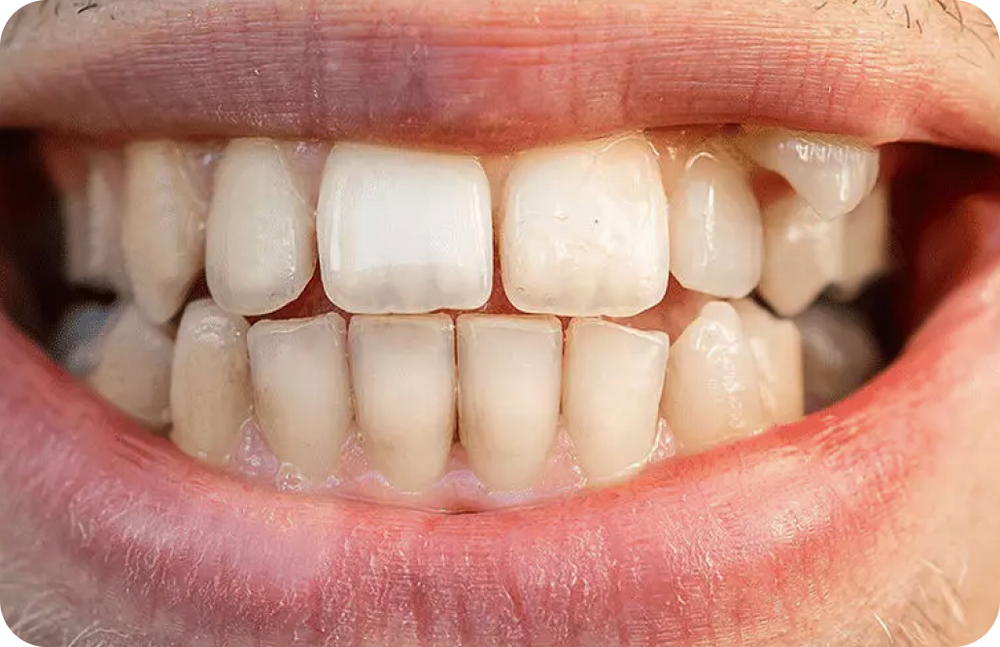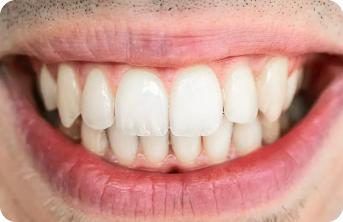




An underbite is more than just a cosmetic concern. While it’s often noticeable in photos or profile views, it can also affect how your teeth function, how evenly they wear down, and even how comfortable your jaw feels day to day. A proper bite is foundational to long-term oral health, and an underbite compromises this foundation.
The good news? Not all underbites require surgery or traditional braces. In many cases, clear aligners can be a highly effective, non-invasive solution, offering a pathway to correction that fits seamlessly into a modern lifestyle.
What Is an Underbite?
An underbite, clinically known as a Class III malocclusion, occurs when the lower teeth sit in front of the upper teeth when the mouth is closed. This misalignment can range from subtle to severe. To understand the complexity of an underbite, it’s important to distinguish between the two primary types:
1. Dental Underbites (Dentoalveolar)
In a dental underbite, the issue lies primarily in the position and angle of the teeth within the jawbone, not the jawbone itself. These cases are generally considered mild to moderate and are often highly treatable with non-surgical orthodontic interventions such as clear aligners. The goal is to reposition the teeth to correct the bite simply.
2. Skeletal Underbites (Mandibular Prognathism)
A skeletal underbite is more severe and involves the structure and relationship of the maxilla and mandible. This occurs when the lower jaw (mandible) is overgrown, or the upper jaw (maxilla) is underdeveloped, resulting in a structural mismatch. These severe cases typically require orthognathic surgery (jaw surgery) in combination with traditional orthodontics to physically realign the jaw structure.
A thorough, in-person clinical evaluation is the only way to determine which category your underbite falls into and, critically, whether a comfortable, non-invasive treatment like clear aligners is the right path for you.
Common Signs of an Underbite
While the most obvious sign of an underbite is visual misalignment, the functional and physical consequences make treatment essential for long-term health.
- Lower teeth are visibly in front of upper teeth: The defining aesthetic feature.
- Difficulty biting or chewing: The front teeth cannot function properly to cut food, forcing the back teeth to bear undue pressure.
- Uneven tooth wear: When teeth don't meet correctly, they grind against each other in an abnormal pattern, accelerating enamel erosion on specific teeth.
- Jaw discomfort or tension: Known as temporomandibular joint (TMJ) symptoms. The jaw is forced into an unnatural resting position, leading to chronic strain, headaches, or even clicking/popping in the joint.
- Speech issues: A slight lisp or difficulty pronouncing certain sounds can be a result of the improper tongue-to-tooth relationship.
- Facial imbalance or asymmetry: In more pronounced cases, the chin may appear more prominent, contributing to a lack of facial harmony.
Left untreated, underbites can worsen over time, leading to severe enamel damage, chronic TMJ symptoms, or accelerated tooth wear.
What Causes an Underbite?
Underbites can develop for several interconnected reasons. It’s rarely one single factor, but rather a combination of genetics and environmental influences during key developmental years:
- Genetics (Jaw Shape and Size): By far the most common cause, a natural predisposition toward a larger lower jaw or smaller upper jaw can be inherited. This is the root of most skeletal underbites.
- Childhood Habits: Prolonged habits like thumb sucking, pacifier use past toddler age, or persistent use of bottles can influence the development of the jaw and tooth position. These habits can push the lower jaw or teeth forward over time.
- Tongue Thrusting: An abnormal swallowing pattern where the tongue pushes against the back of the front teeth instead of the palate. Over the years, this continuous pressure can make the lower teeth move forward.
- Early Tooth Loss: Premature loss of baby teeth, particularly the back teeth, can cause adult teeth to shift and erupt in improper positions, leading to misalignment that manifests as an underbite.
- Improper Eruption of Adult Teeth: Sometimes, adult teeth emerge at an incorrect angle, resulting in a dental underbite even when the jaw structure is typical.
Do All Underbites Require Braces or Surgery?
No. This is one of the biggest misconceptions that keeps people from seeking treatment.
While severe skeletal underbites may require orthognathic surgery, many underbites are dental in nature, meaning the issue lies primarily in tooth position rather than a significant imbalance in jaw structure. In fact, advancements in clear aligner technology have enabled the treatment of a broader range of cases than ever before, often providing a predictable, effective, and less invasive alternative to fixed metal braces.
How Clear Aligners Can Fix an Underbite: The GleamFit Method
Clear aligners work by applying gentle, controlled force to guide teeth into healthier positions over time. For underbite treatment, this is a sophisticated process designed to achieve specific opposing movements in both arches.
The Biomechanics of Underbite Correction:
- Upper Arch Advancement: The aligners gently encourage the upper teeth to move slightly forward (procline).
- Lower Arch Retraction: Simultaneously, the aligners apply pressure to shift the lower teeth back (retrocline) into alignment.
- Arch Coordination: Clear aligners are often used in conjunction with other subtle tools, such as small, tooth-colored attachments (which act as anchors) and possibly tiny elastic bands, to create the precise, opposing forces needed to "jump the bite" and ensure the upper and lower arches meet correctly.
- Correcting Crowding and Rotation: In addition to front-to-back movement, the aligners straighten crowded or rotated teeth, which is essential for stabilizing the corrected bite.
- Interproximal Reduction (IPR): In some cases, a small amount of enamel is polished between the lower front teeth to create the necessary space for the lower teeth to shift back without crowding.
The Gleamery’s Digital Treatment Planning:
At The Gleamery, every GleamFit treatment begins with a comprehensive process that leverages technology and clinical expertise:
- In-Person Digital Scan & Clinical Evaluation: Unlike mail-order aligner companies, every treatment starts with an expert-led evaluation. A high-resolution digital scan of your mouth is taken. This allows our providers to determine whether aligners are appropriate for your specific case, how much correction is needed, and what results are realistically achievable.
- Advanced Digital Planning: Using the scan, our clinicians create a precise, 3D digital treatment plan that acts as a virtual roadmap of every tooth movement from start to finish.
- GleamFit Aligner Fabrication: Aligners are fabricated to our exact specifications and designed for comfort and precision.
- Digital Monitoring & Oversight: Treatment is monitored digitally via remote check-ins. This drastically reduces the need for frequent, inconvenient in-office appointments while ensuring clinical oversight is maintained throughout the process.
Two Treatment Options: Classic and Overnight Aligners
The Gleamery offers two clear aligner options to give our guests more flexibility when it comes to their treatment. Classic GleamFit Clear aligners are designed for comfort and fit, with nearly invisible construction for a discreet smile transformation. Innovative GleamFit Overnight aligners are FDA-approved for overnight use, meaning you can literally straighten your teeth in your sleep. They’re an excellent choice for a true zero-disruption smile-care solution. No matter which option you choose, you’ll enjoy the same level of comfort and convenience.
Case Study: Underbite Before and After with GleamFit Aligners
To understand what underbite correction looks like in real life, let’s look at Alyssa M.’s experience.

Before:
- Noticeable crowding and misalignment, particularly in the lower arch.
- Bite imbalance affecting comfort and chewing function.
- Previous aligner experience with a competitor was frustrating and time-consuming.
- Teeth lacked overall symmetry and alignment.
- Dull tone due to overlapping enamel and staining from difficult cleaning.
Alyssa had tried Invisalign before, and it didn’t deliver the experience or results she hoped for, highlighting that not all aligner treatments are created equal.
“I did Invisalign before, and honestly, it was the worst experience. Progress felt slow, check-ups were inconvenient, and sticking to the plan was difficult.”
During Treatment: The Immediate Difference
When Alyssa started with GleamFit Aligners, the difference was immediate. The key was a plan designed around her compliance and her schedule.
- A Clear, Personalized Plan: Starting with a high-definition digital blueprint.
- Digital Check-Ins That Saved Time: Remote monitoring meant she only came in when truly necessary.
- Easy-to-Follow Progression: Fewer confusing stages and a simplified wear schedule.
- No Unnecessary Appointments: Respecting her time and eliminating office-visit fatigue.
- A Treatment Designed to Fit Real Life: Enabling her to maintain her professional and personal schedule.
“GleamFit Aligners were a completely different story. The Gleamery got it right. Their process actually makes it easy to stick with, and the digital check-ins? Zero time wasted.”
After: A Complete Transformation
Alyssa’s results speak for themselves, demonstrating both functional and aesthetic success.
✔ Corrected crowding and misalignment
✔ Improved bite precision and function
✔ Enhanced facial symmetry
✔ Straighter, more balanced smile
✔ Brighter, whiter overall tone (thanks to the final polish)
“Straighter teeth, faster. I’m so glad I invested in this. By correcting the underbite early and precisely, I avoided more invasive treatment—and gained both functional and aesthetic improvements.”
The Bottom Line
Underbites can profoundly affect both function and appearance, but they don’t always require the stress and disruption of braces or surgery. With expert-led clear aligner therapy like GleamFit, many mild-to-moderate underbites can be corrected comfortably, effectively, and with minimal disruption to your life.
If you’re searching for:
- How to fix an underbite without surgery
- Clear aligners for underbite correction
- Underbite before and after results from a trusted provider
The Gleamery offers a modern, non-invasive solution designed to work for you and fit your life.
Book your GleamFit consultation today and take the first step toward a healthier, more balanced smile.
2. Not all underbites require surgery or traditional braces; mild-to-moderate dental underbites are often highly treatable with non-invasive clear aligner solutions like the GleamFit Method.
3. A thorough, in-person clinical evaluation is the only way to distinguish between dental and severe skeletal underbites to determine if clear aligners or orthognathic surgery is the appropriate treatment.