



Between LA traffic and a booked calendar, daily stress is part of your fast-paced lifestyle. Most people connect chronic stress to shoulder tension or poor sleep, but your teeth are under pressure too.
Your smile keeps receipts. When you carry a heavy mental load, your body signals it through tooth sensitivity and an aching jaw. That being said, let’s talk about the connection between stress and teeth, the role your nervous system plays, and how to protect your smile.
Why Does Your Jaw Ache When You’re Stressed Out?
Stress isn’t just a state of mind; it’s a full-body physical response. When anxiety spikes, your nervous system triggers a surge of cortisol, making your muscles tense up, including the muscles in your jaw.
Your masseters are some of the strongest muscles in your entire body. When you’re under stress, you may subconsciously clench throughout the day or grind your teeth in your sleep. That non-stop tension strains the jaw joints, leaving you with morning stiffness, dull facial pain, and persistent tension headaches.
Is Daily Stress Wearing Down Your Teeth?
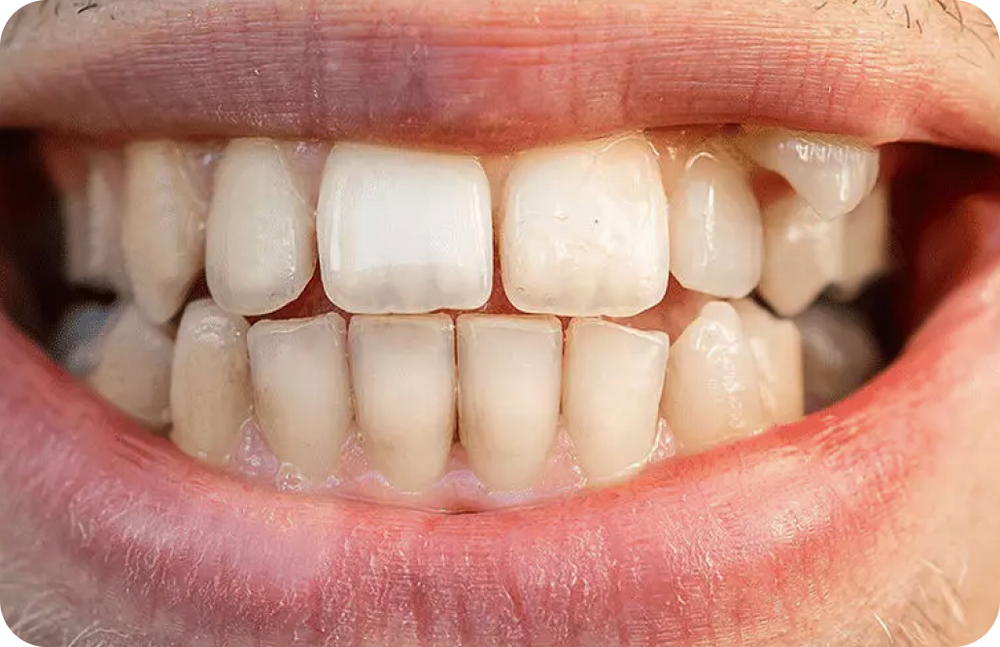
When you clench and grind night after night, it starts to wear down your enamel. You may notice:
- Flattened molars or chipped teeth
- Increased sensitivity to hot or cold foods
- Gum recession or inflammation along the gumline
But enamel wear is only one part of the story. Persistent stress may also throw off your immune system, disrupt the oral microbiome, and make it harder for your body to fight bacteria. High stress and anxiety reduce saliva production, causing dry mouth and allowing decay-causing bacteria to thrive.
What Is the Connection Between Emotional Health and Oral Health?
Your mental health and smile are connected. When stress or burnout hits, daily self-care rituals are usually the first thing to slip, leading to tooth decay and gum disease. And when your smile is visibly impacted by chipped enamel and stained teeth, you may lose self-confidence and experience social anxiety.
Common signs of stress effects on teeth include:
- Morning jaw stiffness or popping joints
- Bleeding or sensitive gums
- Dry mouth and persistent bad breath
- Worn, flattened, or chipped teeth
- Recurring tension headaches
Stress and Teeth: Protecting Your Smile Under Pressure
Easing the pressure on your teeth requires consistent smile-care habits and routine care at a wellness-focused dental studio. Easy ways to shift your routine include:
- Switching to floss picks or a water flosser instead of standard string floss
- Sipping water to combat dry mouth
- Chewing sugar-free or xylitol gum to stimulate saliva production
How Can a Gleam360 Assessment Personalize Your Treatment?
Our Gleam360 Assessment uses advanced imaging to evaluate your bite structure, enamel wear, and gum health. From there, we build a personalized care plan that fits your life.
If stress bruxism at night is your primary issue, a custom-fitted nightguard from The Gleamery might be your solution. GleamGuard is engineered to match your bite dynamics, distribute force evenly across both jaws, cushion your jaw joints, and protect your enamel from the nighttime clench.
Is GleamTox the Secret to Relieving Jaw Tension?
For guests with anxiety teeth grinding or TMJ, physical barriers alone might not be enough. That’s where GleamTox comes in.
GleamTox uses Xeomin, a clean, purified neuromodulator, to gently calm overactive masseter muscles without affecting your natural smile or ability to chew.
Protect Your Teeth From Stress Dental Damage in Los Angeles
Teeth clenching, anxiety, and high stress mean your teeth are bearing the weight of your mental load every day. But your smile doesn’t have to carry that load alone. Pairing targeted muscle relief with a customized nightguard can protect your enamel and keep your smile feeling as good as it looks.
Book your Gleam360 Assessment at The Gleamery in LA today.
Beyond Bruxism: Anxiety and stress lower saliva flow and whole-body immunity, making gums extra sensitive.
Customized Protection: GleamGuard provides a barrier to protect your bite while you sleep, while GleamTox targets overworked muscles causing discomfort.