



Clear aligners have transformed the way people straighten their teeth. But as demand has grown, so have shortcuts, specifically DIY clear aligner kits that promise straighter teeth from home, often at a fraction of the cost.
At first glance, these kits can seem appealing. No appointments. No office visits. Lower prices. Brands like SmileSet, Aligner Co, and Aligner 32 market convenience and affordability as their biggest advantages. But when it comes to moving teeth, cutting corners can come with real risks.
What Are DIY Clear Aligners?
DIY clear aligners are mail-order orthodontic kits that allow users to straighten their teeth without visiting a dental professional in person. Typically, the process looks like this:
- You take impressions or scans at home
- You mail them in
- A remote provider creates a treatment plan
- Aligners are shipped directly to you
- Progress is mostly self-managed
While this model prioritizes convenience, it removes a critical component of orthodontic care: in-person clinical oversight.
Why Moving Teeth Isn’t a DIY Project
Teeth don’t move in isolation. The mouth is a dynamic, interconnected system. Moving one tooth affects the tension, pressure, and balance of the others, as well as the supporting structures such as the alveolar bone and periodontal ligaments. A professional orthodontist is trained to understand this complex biomechanics and predict how the entire system will react to treatment. DIY models, relying on standardized algorithms, cannot account for the individual biological variations that make every mouth unique.
The Biggest Downsides of DIY Clear Aligners
1. No In-Person Exam or X-Rays
One of the biggest risks of DIY aligners is that treatment often begins without a full clinical exam.
That means:
- Cavities may go undetected
- Gum disease may be missed
- Bone loss may not be identified
- Root issues may go unnoticed
Moving teeth when these conditions exist can worsen damage and lead to pain, instability, or tooth loss. An X-ray, or radiograph, is an essential tool for an orthodontist. It reveals the condition of the tooth roots, the density of the jawbone, and the presence of any impacted teeth or pathology that could be severely aggravated by orthodontic pressure. Without this critical diagnostic step, a DIY treatment plan is built on an incomplete picture, turning a cosmetic procedure into a potential medical risk.
2. Bite Problems Can Get Worse
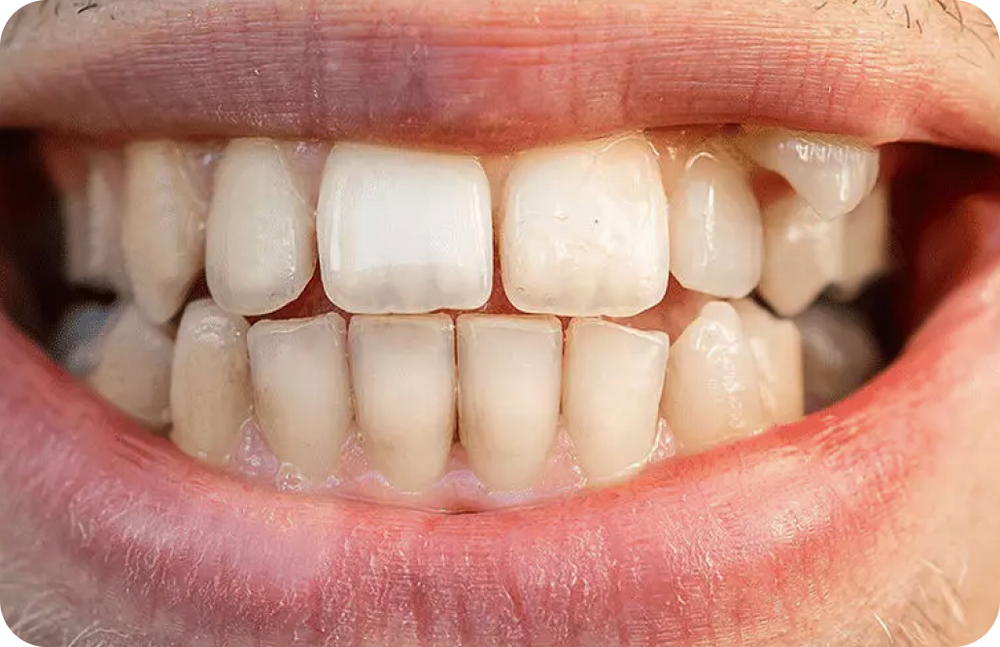
DIY aligners often focus on straightening visible front teeth, but alignment is about more than aesthetics. A bite that looks straighter but functions worse is not a success
Without professional monitoring, teeth may:
- Shift unevenly
- Create new bite imbalances (malocclusion)
- Increase pressure on certain teeth
- Trigger jaw pain or TMJ symptoms
DIY systems often fail to account for the back teeth, leading to an "open bite" or "posterior crossbite," where the front teeth appear straight but the bite is unstable and inefficient for chewing. Correcting these iatrogenic (treatment-induced) bite issues often requires extensive and expensive secondary treatment from a professional.
3. Limited Customization and Precision
When aligners don’t fit properly, teeth may stop moving or move unpredictably. The materials and planning used in professional aligner systems are often highly customized, but at-home kits rely heavily on automation and standardized planning. This can lead to:
- One-size-fits-all movement
- Less precise force control
- Poor tracking (when teeth don’t move as planned)
Professional orthodontists in Los Angeles use advanced attachments—small, tooth-colored dots bonded to the teeth—to help direct and anchor the aligner’s forces with precise control. DIY kits rarely use these attachments, limiting their ability to perform complex or rotation-heavy movements. As a result, the aligner simply "tips" the visible crowns of the teeth instead of moving the entire tooth root safely through the bone. This lack of control is a primary reason for treatment failure and relapse.
4. No Real-Time Adjustments or Clinical Intervention
Orthodontic treatment is dynamic. Teeth don’t always respond exactly as predicted.
With DIY aligners:
- Adjustments are delayed or impossible
- Issues may go unnoticed for months
- Mid-course corrections are limited
By the time a problem is identified, damage may already be done. When a tooth fails to move as planned (poor tracking), a professional can immediately assess the situation, take new scans, and order a simple course correction known as a "refinement." This prevents minor issues from escalating. In a DIY model, the user might not even realize there is a problem until the fit is noticeably poor, and by then, the only option is often to stop treatment and potentially seek professional help to fix the resulting misalignment or damage.
5. Risk of Gum Recession and Tooth Damage
Improperly guided tooth movement can stress gums and bone, increasing the risk of:
- Gum recession
- Loose teeth
- Root exposure
- Sensitivity
These are long-term consequences that may require restorative care. Moving a tooth too quickly or with improper force vectors is the direct cause of this damage. When the periodontal ligament is overstressed, it can pull the gum tissue down, exposing the root surface (recession), which is aesthetically undesirable and increases the risk of tooth sensitivity and root decay. In the most severe cases of uncontrolled force, the tooth root can resorb (shorten), leading to long-term tooth instability.
6. “Affordable” Can Become Expensive
Many people turn to DIY aligners to save money. But when complications arise, costs can quickly add up:
- Corrective orthodontics (to fix DIY results)
- Dental treatments for damage (e.g., gum grafts, fillings, root canals)
- Extended treatment time
In many cases, patients end up paying more to undo or fix DIY results than they would have for a professionally supervised plan from the start. This is the hidden cost of convenience.
Furthermore, most DIY aligner companies are not covered by standard dental insurance, so patients pay 100% of the cost. Professionally guided options like GleamFit, on the other hand, often qualify for at least partial insurance coverage in California or can be paid for with FSA/HSA funds, making the net cost difference significantly smaller than the initial sticker price suggests.
Why GleamFit Aligners Are a Safer Alternative
At The Gleamery, we believe clear aligners should be convenient—but never careless. That’s why GleamFit Aligners combine modern technology with professional oversight.
- ✔ In-Person Initial Evaluation: Every GleamFit treatment begins with a comprehensive, in-studio assessment to ensure aligners are appropriate and safe. This includes the necessary X-rays and a clinical assessment of gum and bone health.
- ✔ Expert Treatment Planning: Plans are created and reviewed by dental professionals, not fully automated systems or non-clinical technicians.
- ✔ Digital Monitoring (With Accountability): Progress is tracked digitally, but with clinical oversight to catch issues early. Regular remote check-ins ensure the treatment stays on course and any tracking errors are addressed immediately.
- ✔ Bite-Focused Alignment: Treatment considers both appearance and function, so your smile looks as good as it works.
- ✔ Customization, Not Templates: Aligners are tailored to your unique anatomy and goals, using the most precise digital scanning and fabrication methods available.
- ✔ Support When You Need It: You have a direct line to the professional responsible for your smile.
The Bottom Line
DIY clear aligners promise simplicity, but teeth straightening is not a simple process. Without proper evaluation, X-rays, and professional monitoring, at-home kits can lead to bite issues, gum damage, and costly corrections.
If you want straighter teeth and peace of mind, professional oversight matters. GleamFit Aligners offer the convenience people want, without the risks they don’t.
Book a consultation at The Gleamery Santa Monica or West Hollywood and choose a smarter, safer path to alignment.
2. The absence of professional precision, customization, and real-time adjustments can lead to severe dental problems such as worsening bite issues, gum recession, and long-term tooth damage.
3. Despite their initial low cost, DIY aligners often result in higher overall expenses, as complications typically require extensive and costly corrective treatment from a professional.