



If you’ve ever felt jaw tightness, clicking, headaches, or discomfort when chewing, you’re not alone. TMJ issues are incredibly common—and often misunderstood. At The Gleamery, we’re committed to giving you clear, accessible answers and treatments that actually work. That includes GleamTox™, our modern, purified masseter neurotoxin therapy designed to relieve TMJ tension and grinding.
Let’s break down what TMJ is, why it happens, and how GleamTox can help you feel better—fast.
What Exactly Is TMJ?
TMJ stands for temporomandibular joint, the hinge that connects your jaw to your skull. Unlike a simple hinge, the TMJ is a complex structure involving bone, ligaments, and a small disc of cartilage. It is one of the most frequently used joints in the body, active every time you speak, chew, or swallow. When this joint becomes stressed, inflamed, or overworked—or when the muscles supporting it become chronically tense—it leads to TMJ disorder (also called TMD).
Your TMJ is responsible for talking, chewing, yawning—basically everything your jaw does. When it’s not functioning correctly, the ripple effects can be substantial, impacting your daily comfort and quality of life. Understanding that TMD is often a muscle issue, not just a joint issue, is key to finding effective relief.
Common TMJ Symptoms
TMJ symptoms vary from person to person, but the most common include:
TMJ symptoms vary widely from person to person, often masquerading as other issues. The most common include:
- Jaw clicking or popping: This is often a sign of the articular disc being displaced within the joint. While sometimes painless, a consistent, loud click or a sensation of the jaw locking should never be ignored.
- Morning jaw soreness: A telltale sign of nighttime clenching or grinding (bruxism), where you wake up feeling like your jaw has run a marathon.
- Tension in the cheeks or temples: The masseter and temporalis muscles are the primary muscles of chewing. Chronic overactivity in these muscles causes referred pain that radiates across the face and up into the head.
- Headaches or migraines: TMD is a common, but often missed, trigger for tension headaches and even migraines. The persistent muscle tension pulls on the surrounding structures, including fascia and tendons, leading to chronic head pain.
- Earaches or ringing (tinnitus): Because the TMJ is so close to the ear canal, inflammation and joint tension can be felt as an earache, even when there is no infection.
- Difficulty chewing: Pain or fatigue when eating, especially tougher foods, can lead people to avoid certain foods, impacting nutrition and enjoyment subconsciously.
- Facial tightness: A constant, low-level feeling of clenching that can make it difficult to relax the face.
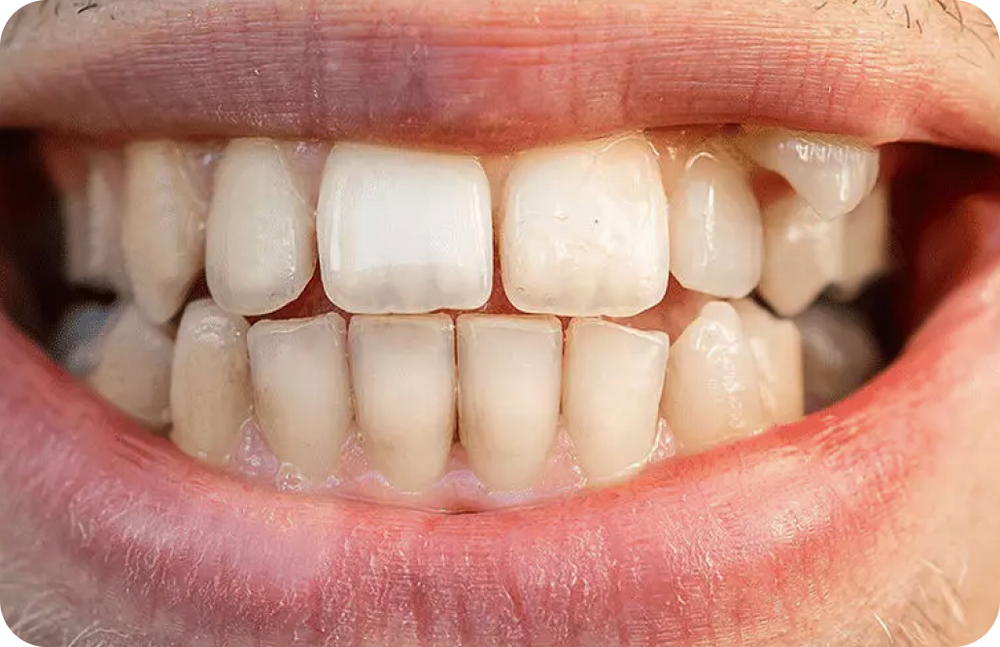
- Teeth grinding (bruxism): This involuntary habit is the most destructive aspect of TMD, causing wear on tooth enamel, sensitivity, and even structural damage to teeth and restorations.
- Limited jaw movement (lockjaw): In severe cases, the joint may restrict movement, making it hard to fully open the mouth, significantly interfering with speaking, eating, and dental hygiene.
A lot of people write these off as stress or “just how my jaw is,” but they’re often signs of a treatable muscle disorder.
What Causes TMJ Issues?
TMJ pain is often a combination of multiple factors. The most common include:
1. Teeth Grinding & Clenching
This is the biggest contributor. Habitual grinding (especially at night) overworks the masseter muscles, leading to tension, inflammation, and jaw dysfunction.
2. Stress
Stress increases the likelihood of jaw clenching, both consciously and unconsciously.
3. Misaligned Bite or Teeth
When your bite isn’t aligned properly, your jaw works harder than it should.
4. Arthritis or Inflammation
The TMJ joint itself can become inflamed or irritated.
5. Trauma or Injury
Past injuries to the jaw can trigger long-term TMJ issues.
6. Overuse
Constant gum chewing, nail biting, or long periods of talking can strain the joint.
How TMJ Is Traditionally Treated
For years, TMJ relief has focused on masking pain or physically limiting the jaw's movement:
- Pain medication: Over-the-counter or prescription anti-inflammatories and pain relievers address the symptom of pain but not the cause.
- Mouth guards or night guards: These devices create a barrier between the teeth, preventing wear from grinding, but they do not stop the powerful clenching force of the masseter muscle.
- Warm compresses: Simple muscle relaxation techniques that offer temporary relief.
- Muscle relaxers: Prescription medications that can provide systemic relaxation but may come with unwanted side effects.
- Physical therapy: Exercises designed to improve joint mobility and stretch out tense muscles.
These options can help—but they don’t always address the underlying muscle overactivity causing the problem.
Where GleamTox™ Comes In: A Modern, Effective TMJ Treatment
The Gleamery’s GleamTox™ treatment targets TMJ discomfort at the source: the masseter muscles. When these muscles are overly active, they create tension, grinding, and misalignment. GleamTox relaxes them gently and precisely, offering relief without surgery or downtime.
Why We Use Xeomin—Not Botox®
Despite the category name “TMJ Botox,” The Gleamery uses Xeomin, a purified, additive-free neurotoxin.
Xeomin Benefits:
- No unnecessary additives — just the active ingredient
- Lower risk of resistance (your body is less likely to “get used to it”)
- Clean formula ideal for repeated treatment
-
Smooth, natural relaxation of the masseter
Xeomin works similarly to Botox®, but with a cleaner profile—perfect for wellness-driven guests who want transparent, modern care.
How GleamTox™ Helps TMJ Symptoms
1. Relieves Jaw Tension
The masseter muscles relax, easing the tight, clenched feeling many guests experience daily.
2. Reduces Grinding & Clenching
Less overactivity = less nighttime damage to enamel and fewer morning headaches.
3. Minimizes Clicking & Popping
By balancing the stress on the joint, GleamTox helps improve movement patterns.
4. Protects Your Teeth
Grinding is one of the leading causes of tooth wear. Relaxing the masseters helps prevent long-term enamel damage.
5. Bonus: Slimmer, Softer Jawline
As the masseter muscle reduces in size, many guests notice a more tapered, contoured lower face—an aesthetic bonus to the functional relief.
What To Expect from a GleamTox™ Visit
Your provider will assess your jaw movement, check for tenderness, and identify where your muscles are most active. Treatment takes just a few minutes with no downtime—most guests return to daily life immediately.
Results begin within 3–7 days and last 3–4 months.
Should You Consider GleamTox™?
You may be a great candidate if you:
-
Wake up with jaw or temple soreness
-
Grind your teeth at night
-
Notice jaw clicking or popping
-
Experience tension headaches
-
Have a wide or overactive jaw muscle
-
Want a non-invasive TMJ treatment
GleamTox is safe, effective, and designed to support both comfort and confidence.
Find Relief at The Gleamery
TMJ discomfort doesn’t have to be part of your everyday life. At The Gleamery, we combine advanced clinical expertise with an experience that feels calm, elevated, and modern. GleamTox™ gives you a clean, effective, and targeted solution—whether you’re dealing with grinding, clicking, or chronic jaw tension.
Book your consultation and start feeling better today.
2. The most significant contributors to TMD are teeth grinding and clenching (bruxism), which overwork the masseter muscles, and increased muscle tension from stress.
3. GleamTox™ is a modern, non-invasive treatment using the purified neurotoxin Xeomin to relax the overactive masseter muscles, providing targeted relief from jaw tension and protecting teeth from grinding damage.