



Jaw discomfort has a way of creeping into daily life, especially in a busy city like Los Angeles. At first, it might feel like occasional tightness or a dull headache. Over time, it can turn into persistent jaw pain, clicking, grinding, or tension that affects how you eat, sleep, and feel day to day.
TMJ symptoms are often dismissed as stress-related or temporary, but ignoring them can allow the problem to worsen. The good news is that modern dentistry offers effective, non-invasive solutions that address the root cause, not just the symptoms.
What Is TMJ (and Why Does It Matter)?
TMJ refers to the temporomandibular joint, which connects your jaw to your skull. It’s one of the most frequently used joints in the body, responsible for chewing, talking, and yawning. When this joint or the muscles surrounding it become overworked or inflamed, it can lead to temporomandibular joint disorder (TMD).
TMJ Symptoms You Shouldn’t Ignore
Not all TMJ symptoms feel severe at first. But even mild signs can indicate a larger issue beneath the surface.
1. Persistent Jaw Pain or Tightness
Ongoing jaw soreness, especially in the morning or after stressful days, is a key sign that your jaw muscles are overactive.
2. Clicking or Popping Sounds
Occasional clicking may not be serious, but frequent popping or grinding noises when opening or closing your mouth can signal joint stress.
3. Teeth Grinding or Clenching (Bruxism)
Many people grind their teeth at night without realizing it. Over time, this can lead to jaw pain, headaches, and enamel wear.
4. Tension Headaches or Migraines
TMJ-related muscle tension often radiates into the temples and forehead, triggering recurring headaches.
5. Facial Soreness or Fatigue
If your face feels tired or achy after chewing or talking, your masseter muscles may be overworking.
6. Ear Pain or Pressure
TMJ pain can mimic earaches, even when no ear infection is present.
7. Limited Jaw Movement
Difficulty opening your mouth fully or a feeling that your jaw “locks” is a sign that the joint and muscles are under strain.
8. Uneven Tooth Wear
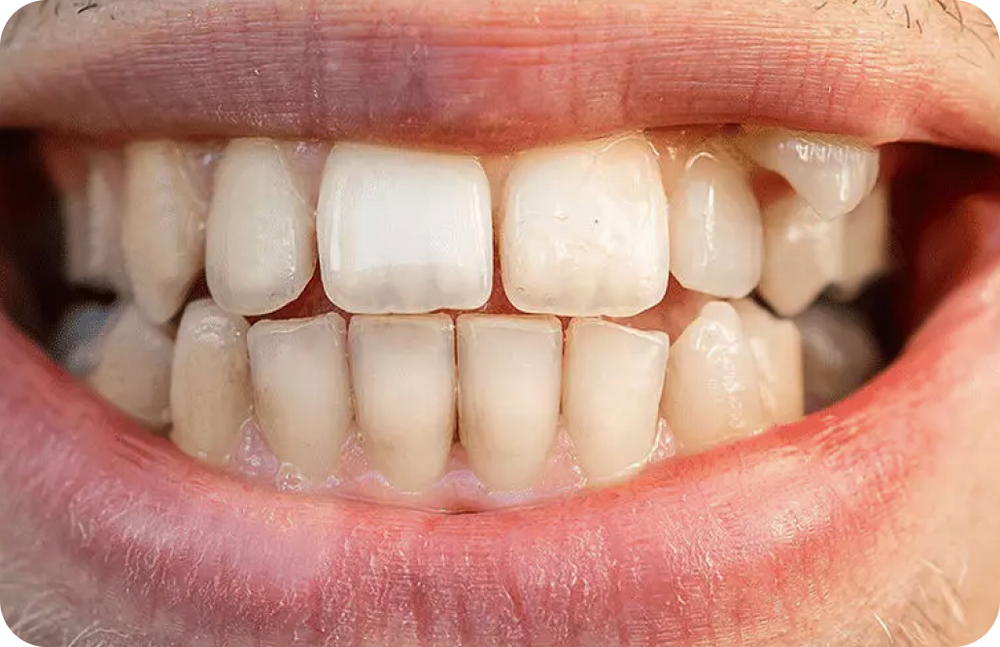
Flattened, chipped, or sensitive teeth can indicate long-term grinding linked to TMJ dysfunction.
Why Early Treatment Matters
Ignoring persistent TMJ symptoms allows a chronic pain cycle to establish itself, leading to increasing complexity in treatment later on. Delaying care can lead to:
- Increased tooth damage
- Worsening pain
- Chronic headaches
- Jaw joint stress
- More complex treatment later
Addressing TMJ issues early helps protect your comfort and long-term oral health, preventing a minor muscle issue from becoming a major joint problem.
Modern Ways to Treat TMJ (Beyond Just “Dealing With It”)
TMJ treatment has evolved significantly. Instead of relying solely on pain relievers or hoping symptoms fade, modern care focuses on targeted, proactive solutions.
1. Night Guards for Teeth Grinding
Custom night guards help protect teeth from grinding damage and reduce strain on the jaw during sleep. They’re often the first line of defense for bruxism-related TMJ symptoms.
2. Bite Awareness and Preventive Care
Correcting bite issues and maintaining healthy alignment can reduce uneven pressure on the jaw over time.
3. Masseter Botox for TMJ
One of the most effective modern treatments for TMJ pain is Botox for TMJ, specifically targeted to the masseter muscles. This treatment, which we call GleamTox™, uses a purified protein to temporarily relax overworked jaw muscles.
TMJ Care at The Gleamery
At The Gleamery, we approach TMJ care using the same philosophy as all our smile-care services: a focus on comfort, clarity, and evidence-based results for our guests in and around Los Angeles.
First Line of Defense: Gleam Guards
For many guests, the first step in managing TMJ symptoms and jaw tension starts at night.
Teeth grinding and clenching while asleep are major contributors to TMJ pain, headaches, and muscle fatigue. That’s where Gleam Guards come in. Our custom-crafted dental night guards are designed to protect your teeth, reduce jaw strain, and support long-term comfort without disrupting your beauty rest.
GleamTox:™ a Modern TMJ Solution
By reducing involuntary clenching, GleamTox™ breaks the cycle of muscle tension and inflammation that drives most TMJ pain and headaches. It does not affect voluntary movements like eating or speaking. This treatment offers:
- Non-invasive relief
- Quick treatment (typically 10–15 minutes)
- Low discomfort
- No downtime
Results often begin within days, with full relief developing over a few weeks and lasting several months. As a beneficial byproduct of muscle relaxation, many guests also notice a softening of facial tension or a slimmer jawline.
The Bottom Line
Jaw pain, grinding, and tension are not things you have to live with. TMJ symptoms are common, treatable, and often best addressed with modern solutions that focus on muscle relaxation and prevention.
If you’re experiencing signs of TMJ, now is the time to explore your options.
Book a consultation at The Gleamery's Santa Monica or West Hollywood studio and take the first step toward a more relaxed, comfortable jaw.