



Many people grind or clench their teeth without realizing it. In fact, millions of adults experience a condition known as bruxism, often during sleep or periods of stress.
Because it frequently happens unconsciously, bruxism can go unnoticed for years. Unfortunately, the damage it causes can build slowly over time.
Understanding the early signs of bruxism is the first step toward protecting your teeth and relieving jaw tension.
What Is Bruxism?
Bruxism is the medical term for teeth grinding or jaw clenching.
It typically occurs in two forms:
- Sleep bruxism: Grinding or clenching that happens during sleep.
- Awake bruxism: Jaw clenching that occurs during periods of concentration, stress, or anxiety.
Both forms place significant pressure on the teeth and jaw muscles.
In some cases, the force generated while grinding can exceed 200 pounds of pressure, which is more than enough to damage enamel over time.
Why Bruxism Happens
Several factors can contribute to teeth grinding, including:
- Chronic stress or anxiety
- Sleep disturbances
- Bite misalignment
- Certain medications
- Caffeine or alcohol consumption
- Jaw muscle tension
For many people, stress is one of the biggest triggers.
When the body experiences stress, muscles tighten, including the powerful ones in the jaw.
What Are The Subtle Signs of Bruxism?
Because grinding often occurs during sleep, many people don’t realize it until symptoms appear.
Here are some of the most common early warning signs.
Morning Jaw Soreness
If your jaw feels tight or tired when you wake up, it may be a sign that you’ve been grinding overnight.
Frequent Headaches
Tension headaches, particularly around the temples, are often linked to jaw muscle strain caused by bruxism.
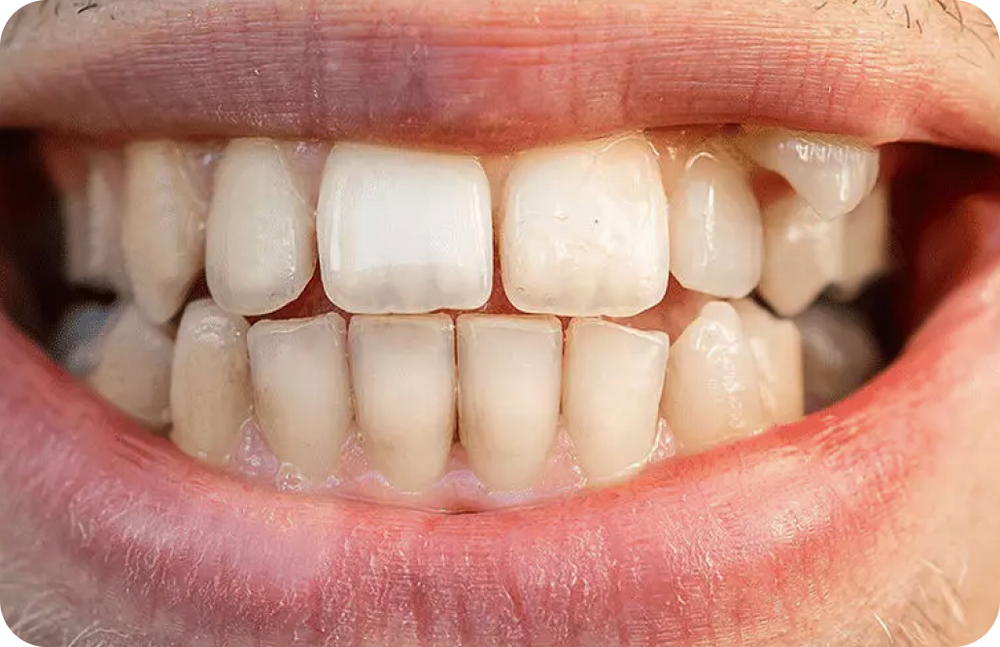
Flattened or Worn Teeth
Grinding can gradually flatten the biting surfaces of teeth, making them appear shorter or more squared off.
Tooth Sensitivity
As enamel wears down, the inner layers of the tooth become more exposed, leading to increased sensitivity.
Chipped or Cracked Teeth
Over time, constant pressure can cause small fractures in enamel.
Jaw Clicking or Popping
Grinding places stress on the jaw joint, which may lead to clicking or popping sounds when opening or closing your mouth.
Sleep Disruptions
In some cases, grinding can disrupt sleep patterns, leaving people feeling fatigued even after a full night's rest.
Why Bruxism Shouldn’t Be Ignored
If left untreated, bruxism can lead to long-term dental complications such as:
- Cracked teeth
- Enamel erosion
- Gum recession
- TMJ disorder
- Tooth fractures
- Chronic jaw pain
The sooner it’s identified, the easier it is to manage.
How Bruxism Is Treated
Modern dental care offers several effective ways to manage grinding and protect your teeth.
Custom Night Guards
Custom night guards create a protective barrier between your teeth during sleep.
Unlike store-bought versions, professionally made guards are designed to fit your bite precisely.
At The Gleamery, Gleam Guards are custom-crafted for comfort and durability, helping protect teeth from nightly grinding while reducing pressure on the jaw.
Muscle-Relaxing Treatments (GleamTox)
For patients experiencing significant jaw tension or TMJ symptoms, muscle-relaxing treatments may help reduce grinding.
Treatments like GleamTox™ work by relaxing the overactive masseter muscles responsible for clenching.
This can reduce grinding, relieve jaw pain, and help protect teeth from further damage.
Stress Management
Because stress often triggers bruxism, lifestyle changes such as exercise, meditation, and improved sleep habits can also help reduce symptoms.
Protecting Your Smile
With solutions like custom night guards and modern TMJ treatments, managing bruxism is easier than ever.
If you’ve noticed symptoms like jaw soreness, headaches, or worn teeth, it may be time to explore options that protect your smile for the long term.
2. Early signs of bruxism include morning jaw pain, headaches around the temples, and gradually flattened, worn, or sensitive teeth.
3. Effective management options are available, primarily consisting of custom night guards and muscle-relaxing treatments, which are complemented by stress reduction techniques.