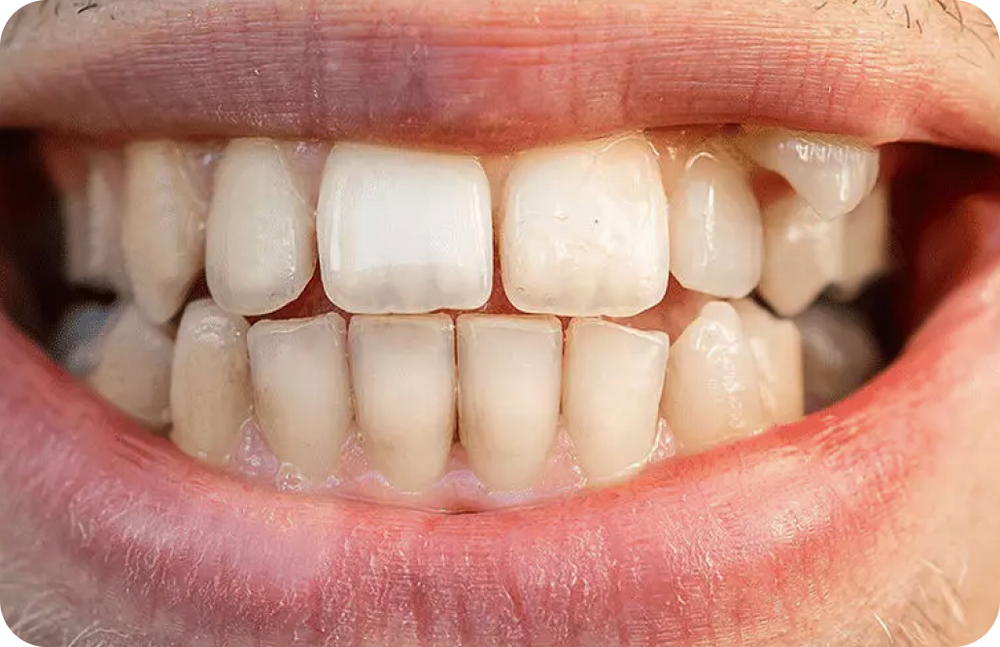




Stress shows up in many ways: tight shoulders, headaches, poor sleep, and fatigue. But one place people rarely expect to see the effects of stress is in their smile. Here at The Gleamery, we see it every day.
Chronic stress can lead to teeth clenching, grinding, and jaw tension, all of which place extreme pressure on your teeth. Over time, this pressure can cause tiny fractures, worn enamel, and even cracked teeth.
If you’ve ever woken up with jaw soreness or noticed increasing tooth sensitivity, stress could be playing a bigger role in your oral health than you realize.
The Hidden Link Between Stress and Dental Damage
When your body experiences stress, it activates a “fight or flight” response. Muscles throughout your body tighten, including the muscles in your jaw. For many people, this leads to teeth clenching or grinding, a condition known as bruxism.
Bruxism can occur:
- During sleep
- While concentrating at work
- During stressful situations
- During intense exercise
Because it often happens unconsciously, many people don’t realize they’re doing it.
How Teeth Clenching Causes Cracks
Your teeth are incredibly strong, but they’re not designed to handle constant grinding pressure. When you clench or grind your teeth repeatedly, several things can happen:
Microfractures Develop
Small cracks begin to form in the enamel. These cracks may not be visible at first, but can weaken the tooth structure.
Enamel Wears Down
Grinding gradually thins your enamel, making teeth more vulnerable to damage and sensitivity.
Teeth Flex Under Pressure
When the jaw muscles tighten repeatedly, the teeth bend slightly under force. Over time, this can cause structural cracks.
Fillings and Dental Work Become Stressed
Existing restorations may loosen or fail due to repeated pressure. Eventually, these stresses can lead to a cracked tooth, which may require restorative treatment if not addressed early.
Signs Stress May Be Affecting Your Teeth
Many people live with stress-related dental symptoms for years without realizing what’s happening. Common signs of stress dental damage include:
- Jaw soreness or stiffness
- Morning headaches
- Tooth sensitivity
- Flattened or worn tooth edges
- Chipped teeth
- Clicking or popping in the jaw
- Tight facial muscles
- Gum recession near the gumline
- Teeth that feel slightly loose
If these symptoms sound familiar, stress-related bruxism may be the cause.
The TMJ Connection
Chronic clenching and grinding don’t just damage teeth; they can also strain the temporomandibular joint (TMJ), which connects your jaw to your skull.
When the jaw muscles become overworked, the joint can become irritated or inflamed.
This may lead to symptoms such as:
- Jaw pain
- Limited jaw movement
- Clicking or popping sounds
- Earaches
- Facial fatigue
- Tension headaches
This condition is commonly referred to as TMJ dysfunction. Fortunately, there are effective ways to prevent, treat, and relieve TMJ symptoms.
Protecting Your Teeth from Stress Damage
While reducing stress is ideal, it’s not always realistic to eliminate it completely. The key is protecting your teeth from the pressure stress creates. Modern dentistry offers solutions that help prevent damage while relieving muscle tension.
Gleam Guards: Custom Protection for Nighttime Grinding
One of the most effective ways to prevent stress-related tooth cracks is to wear a custom night guard.
Unlike bulky store-bought trays, Gleam Guards are designed specifically for your bite. These custom guards provide several benefits:
- Perfect Fit: Each guard is crafted using advanced dental technology to match your unique bite pattern.
- Comfortable and Sleek: They stay securely in place without the bulky feel of generic guards.
- Durable Protection: Made with high-grade materials designed to withstand heavy grinding pressure.
- Consistent Nighttime Defense: Protect your teeth while you sleep—when grinding is most intense.
GleamTox™: Relaxing Overactive Jaw Muscles
For patients experiencing significant jaw tension or TMJ symptoms, muscle-relaxing treatments can provide additional relief. GleamTox™ works by gently relaxing the overactive jaw muscles responsible for clenching and grinding.
This treatment can help:
- Reduce teeth grinding
- Relieve jaw pain
- Decrease tension headaches
- Protect teeth from excessive pressure
- Improve TMJ symptoms
Many patients notice improved comfort within days of treatment.
Why Early Treatment Matters
Cracked teeth don’t happen overnight. They usually develop gradually as stress and pressure accumulate over time. Catching the problem early can prevent more serious complications.
Without treatment, cracks can eventually lead to:
- Tooth fractures
- Increased sensitivity
- Infection
- Root canal treatment
- Tooth loss
Protective solutions like night guards and muscle-relaxing therapy can significantly reduce these risks.
Additional Ways to Reduce Stress on Your Teeth
Along with professional treatment, small lifestyle changes can help reduce jaw tension.
Consider these strategies:
- Practice Jaw Awareness: Check in throughout the day to ensure you’re not clenching your jaw or grinding your teeth.
- Take Breaks from Screens: Prolonged concentration often triggers clenching.
- Manage Stress: Exercise, stretching, and mindfulness techniques can reduce muscle tension.
- Avoid Chewing Hard Objects: Ice, pens, and hard candy can worsen microfractures.
- Prioritize Sleep: Better sleep can reduce the intensity of nighttime grinding.
Even small adjustments can reduce the strain on your teeth.
The Bottom Line
Chronic clenching and grinding place tremendous pressure on your teeth, often leading to microfractures, enamel wear, and cracked teeth over time. The good news is that modern dental treatments can protect your smile while relieving the tension causing the damage.
Custom night guards, like Gleam Guards, and muscle-relaxing treatments, like GleamTox™, help prevent stress-related dental damage while improving comfort and jaw function.
Your smile works hard every day. Protecting it from stress is one of the best investments you can make in your long-term oral health.
2. This pressure can lead to serious dental damage over time, including microfractures, enamel wear, cracked teeth, and temporomandibular joint (TMJ) dysfunction.
3. Effective protective solutions like custom night guards and muscle-relaxing treatments can prevent stress-related damage and improve jaw comfort.