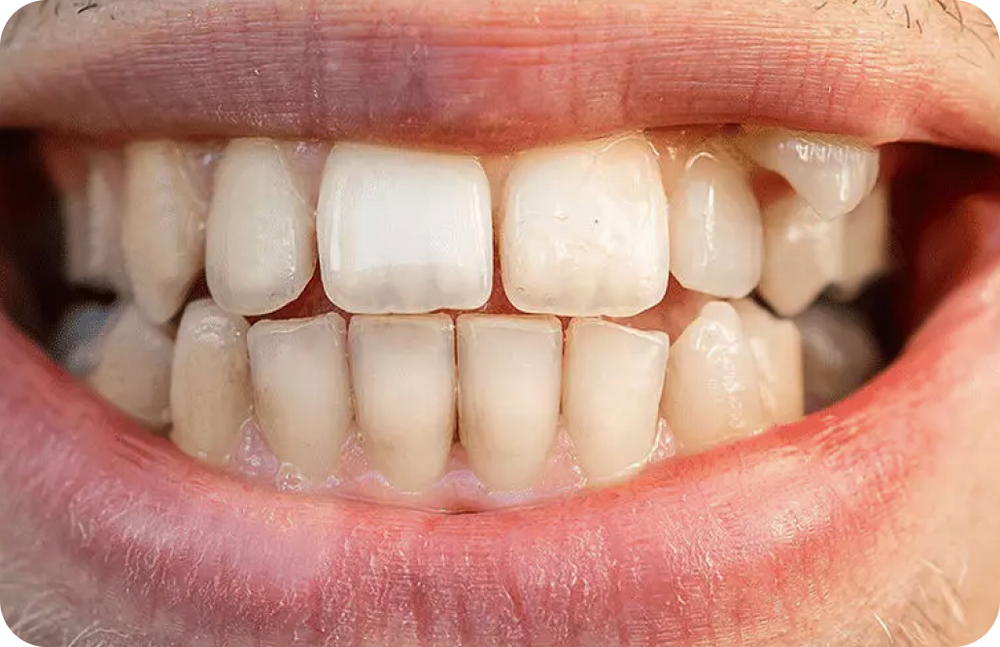




Clear aligners have revolutionized teeth straightening, offering a discreet alternative to traditional braces. However, when it comes to safely and effectively moving teeth, there’s a significant difference between mail-order, at-home aligners and dentist-supervised treatment like GleamFit Aligners at The Gleamery. If you're considering straightening your teeth, understanding this distinction is crucial for your long-term oral health.
What Are At-Home Aligners?
At-home aligner systems are a mail-order orthodontic model. They operate by allowing users to:
- Take their own impressions or scans at home.
- Submit their data remotely.
- Receive a full set of aligners by mail.
- Progress through the entire treatment plan without mandatory, regular in-person checkups.
While this automated process may reduce upfront costs and eliminate the need for office visits, it fundamentally removes a critical component of safe orthodontic care: hands-on clinical supervision.
The 5 Hidden Risks of DIY At-Home Aligners
Moving teeth is not a simple cosmetic process; it involves complex biological structures, including bone, ligaments, gum tissue, nerve pathways, and jaw alignment. Without proper, ongoing evaluation and monitoring by a professional, several complications can arise.
1. Lack of a Comprehensive In-Person Exam
A dentist-supervised aligner treatment always starts with a full, in-person evaluation. This comprehensive assessment includes:
- A detailed examination of the teeth and gums.
- Bite analysis to understand how the jaws align.
- Crucial X-rays to assess underlying bone health, root positioning, and potential issues with impacted teeth.
- Screening for existing dental issues like cavities or gum disease.
At-home aligner systems typically skip this critical initial step. Without X-rays, underlying, serious issues such as bone loss, infections, or improper root positioning may go completely unnoticed, and moving teeth under these conditions can lead to exacerbated damage
2. Cosmetic Straightening vs. True Bite Alignment
Many at-home aligner models primarily focus on straightening the visible front teeth for a cosmetic result. However, true orthodontic treatment must consider the entire functional system, which includes:
- The proper fit of your upper and lower teeth (occlusion).
- The alignment of your jaw.
- The correct distribution of pressure when you chew.
- Long-term functional health.
Straight teeth that do not fit together properly can lead to significant problems, including jaw pain, uneven tooth wear, TMJ symptoms, and chronic headaches. Dentist-supervised treatments like GleamFit are designed to address both appearance and vital bite function.
3. Limited Customization and Adjustments
The reality of orthodontics is that teeth rarely move exactly as predicted in the initial digital plan. Treatment often requires small, clinical refinements and mid-course corrections.
With at-home aligners, adjustments can be significantly delayed or are entirely limited, meaning that problems with tooth tracking or movement may go unnoticed for months, making corrections difficult.
In contrast, with GleamFit Aligners, progress is consistently monitored through digital check-ins reviewed by dental professionals. Adjustments can be made promptly if teeth are not tracking correctly, reinforcing the principle that orthodontics is a dynamic process, not a "set it and forget it" system.
4. Higher Risk of Gum and Bone Damage
When tooth movement is improperly guided or occurs too rapidly, it can lead to serious, potentially irreversible damage, including gum recession, loose teeth, root damage, and increased tooth sensitivity. Because at-home aligner users lack frequent in-person oversight, the early warning signs of tissue response and damage may go unnoticed. Dentist-supervised care significantly reduces this risk by having a professional monitor the bone and gum tissue response throughout the entire treatment phase.
5. Long-Term Stability and Retention Issues
The success of aligner treatment is not just about reaching the final tray; it is about maintaining that result for a lifetime. Without professional bite correction and a structured retention plan tailored to your specific case, straightened teeth are likely to shift back, leading to instability and potentially requiring expensive retreatment. GleamFit, as a dentist-supervised option, includes structured retention guidance designed to protect your investment and maintain your results long-term.
What Defines Dentist-Supervised Treatment?
At The Gleamery, GleamFit Aligners are specifically designed to combine the convenience of clear aligners with essential clinical expertise. This comprehensive approach ensures safety, predictability, and stability.
Key components of GleamFit treatment include:
- ✔ Comprehensive Evaluation: Treatment begins with an in-studio assessment, including X-rays and a full dental history review, to ensure aligners are both appropriate and safe for your unique case.
- ✔ Advanced Digital Mapping: Your smile is precisely digitally mapped to create a customized movement plan that accounts for bone, roots, and bite mechanics.
- ✔ Professional Oversight: Every step of the treatment plan is reviewed and monitored by dental professionals who are trained to understand complex bite mechanics and not just aesthetic alignment.
- ✔ Digital Monitoring With Accountability: Convenient digital check-ins let you stay on track without unnecessary office visits while still ensuring expert supervision and timely intervention when needed.
- ✔ Focus on Comfort and Safety: The treatment prioritizes your gum health, overall bite function, and long-term stability, putting your health first.
Why At-Home Aligners Seem Cheaper (But Can Cost More)
At-home aligners frequently advertise a low upfront cost as a primary selling point. However, the lack of professional supervision carries a financial risk. If complications, like those listed above, arise, the additional expenses required to correct the damage can include:
- Corrective orthodontic treatment, which is often more complex and costly than the initial procedure.
- Restorative dental procedures (e.g., fillings, crowns, gum grafts).
- Significantly extended treatment timelines.
- Additional retainers to manage instability.
What initially appears “affordable” can quickly become significantly more expensive if dental issues require later correction. Safe, professional treatment from the beginning is often the most cost-effective long-term decision, preventing these added expenses entirely
The Convenience Factor
While convenience is often cited as the biggest selling point for at-home aligners, modern dentist-supervised treatments have integrated efficiency into the care model.
GleamFit Aligners are also designed for modern life, offering:
- Streamlined digital check-ins that save time.
- Efficient scheduling for any necessary in-person visits.
- Clear and predictable treatment planning.
- Transparent pricing with no hidden fees.
- FDA-approved overnight aligners requiring only 12 hours of wear time
You do not have to sacrifice clinical safety and predictable results for convenience.
The Bottom Line: Your Smile is a Medical Investment
While at-home aligners may seem appealing for their speed and price, they often lack the clinical oversight necessary to move teeth safely and predictably. Dentist-supervised treatment like GleamFit Aligners provides the highest standard of care:
- Professional evaluation and diagnosis.
- Bite-focused, functional alignment.
- Ongoing monitoring and mid-course correction.
- Safer, more stable, and long-lasting results.
When it comes to your smile and oral health, the difference in supervision matters profoundly.
If you are considering aligners, book a consultation at The Gleamery to explore a treatment plan built for both lasting beauty and long-term health.
2. Professional treatment, such as GleamFit, ensures true bite alignment and functional health, not just cosmetic straightening of the visible front teeth.
3. The initial low cost of at-home aligners carries a financial risk, as complications resulting from a lack of supervision can lead to significantly more expensive corrective procedures down the line.